Abstract 63 Background Digital Papers: A Practical Guide to Smart Design Choices
When you are looking for versatile digital assets to elevate your brand or personal projects, Abstract 63 Background Digital Papers often comes up as a strong contender. It is not just a single image; it is a comprehensive collection designed to serve as the foundation for a wide array of creative and commercial endeavors. For entrepreneurs, hobbyists, and professional designers alike, the appeal lies in its adaptability. Whether you are crafting custom merchandise, designing social media content, or preparing high-stakes print materials, having access to high-quality, abstract textures can save hours of design time while ensuring a polished aesthetic.
However, simply downloading a pack of images is only the first step. Many users overlook the critical nuances of resolution, licensing, and application context. This guide aims to help you navigate these waters effectively, ensuring that your investment in Abstract 63 Background Digital Papers translates into tangible quality rather than frustration.
Understanding the Scope of Abstract 63
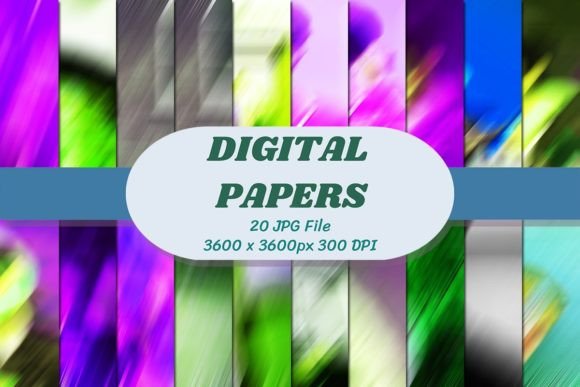
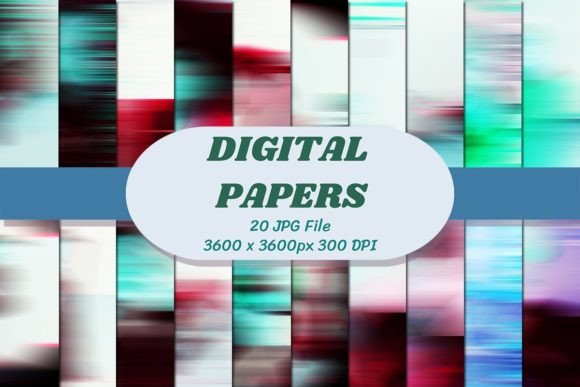
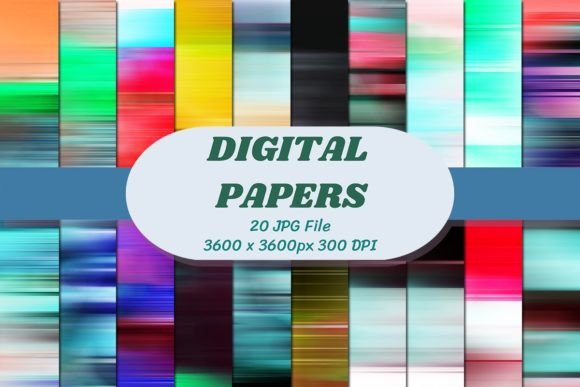
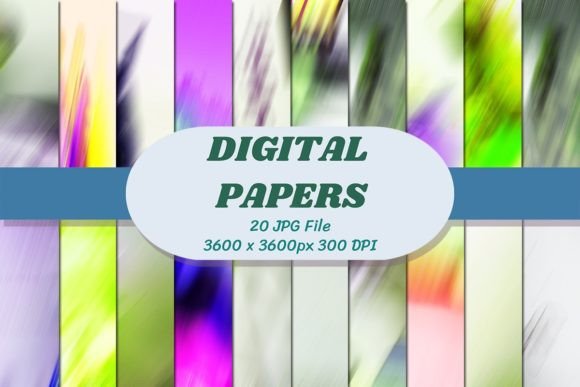
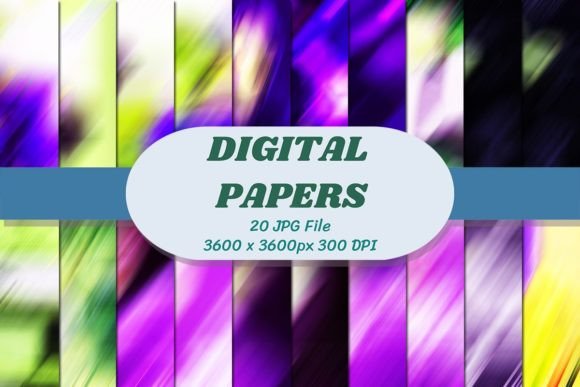
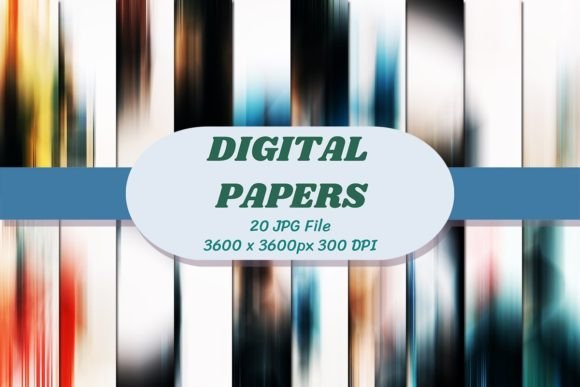
At its core, this product is a printable design collection comprising 20 JPG files, each sized at an impressive 3600x3600 pixels. These dimensions are significant because they offer more than just standard web-ready clarity. They provide the density required for large-format printing without pixelation. The versatility of these backgrounds is vast. You might use them for t-shirts, stickers, mugs, pillows, blankets, book covers, phone cases, scrapbooks, and various craft projects. Beyond physical goods, they are equally effective for digital applications like sublimation, logo design, social media graphics, printables, invitations, business cards, product packaging, wallpapers, textures, 3D sublimation tumbler wraps, wedding cards, and 3D mug wraps.
The key value proposition here is efficiency through variety. Instead of hunting for disparate textures that may not match your brand’s tone, Abstract 63 provides a cohesive set of options. But before you start applying these designs to every surface imaginable, it is crucial to understand how to leverage them correctly.
Common Pitfalls in Using Digital Backgrounds
Even with high-resolution assets, mistakes happen. Understanding common errors can prevent costly reprints and disappointing final products. One frequent misunderstanding involves the assumption that all "high resolution" files are suitable for all types of printing. While 3600x3600 pixels is excellent, the intended output size matters immensely. If you attempt to stretch a background meant for a business card across a large banner, even the best file will show artifacts. Always scale your canvas appropriately before placing your text or logos.
Another overlooked detail is color mode. Most digital downloads, including Abstract 63 Background Digital Papers, are provided in RGB format, which is ideal for screens. However, if you plan to print these designs on physical products like mugs, t-shirts, or wedding cards, you must convert them to CMYK. Failing to do so can result in colors appearing duller or shifted in the final print compared to what you see on your monitor. This is a technical step that many beginners skip, leading to dissatisfaction with the vibrant potential of the abstract patterns.
Licensing is also a area where buyers often stumble. Not all digital papers allow for unlimited commercial use. Some packs restrict the number of physical items you can sell or require attribution. Before using Abstract 63 Background Digital Papers for a commercial venture such as selling customized pillows or product packaging, verify the specific license terms included with your purchase. Ignoring these details can lead to legal complications or unexpected fees.
Maximizing Quality and Usability
To get the most out of your 20 JPG files, consider the context of each project. For instance, when creating a 3D sublimation tumbler wrap, the abstract nature of the background allows for seamless wrapping around curves. However, ensure that any critical elements, such as logos or text, are placed away from areas that might distort during the heat-transfer process. Testing a small section first can save you from ruining expensive tumblers.
For fabric-based projects like t-shirts or blankets, keep in mind how the ink interacts with the material. Dark fabrics often require a white underbase layer if the background contains light colors. If your design relies heavily on subtle gradients or light tones, choosing a lighter-colored garment will yield better contrast and vibrancy. Conversely, dark backgrounds can look striking on black or navy garments, but ensure the printer uses high-quality discharge inks for softness and durability.
In the realm of digital marketing, such as social media posts or website headers, the 3600x3600 px resolution is more than sufficient. In fact, it allows you to crop different sections of the same image to create multiple unique visuals from a single asset. This approach maintains brand consistency while providing fresh content for your audience. When designing invitations or wedding cards, the abstract texture adds depth and sophistication without overwhelming the typography. Ensure your font choices complement the complexity of the background; overly ornate fonts against busy abstract patterns can reduce readability.
Evaluating Your Needs Before Purchase
Before integrating Abstract 63 Background Digital Papers into your workflow, take a moment to assess your current needs. Do you need textures for a specific seasonal campaign? Are you looking to expand your product line with new merchandise? Having a clear plan helps you utilize the 20 files more strategically. Rather than using one file per project, try combining two or more layers with opacity adjustments to create custom variations. This technique expands your creative possibilities significantly.
Additionally, consider your storage and organization habits. High-resolution images take up substantial space. Organize your files by theme, color palette, or intended use case immediately upon download. This practice ensures that when a client requests a specific style or when inspiration strikes, you can locate the perfect background instantly. Efficiency in file management mirrors efficiency in design execution.
Conclusion
Abstract 63 Background Digital Papers offers a robust toolkit for anyone serious about visual communication. By understanding the technical requirements of resolution and color mode, respecting licensing agreements, and applying thoughtful design principles, you can transform these digital assets into exceptional physical and digital products. Avoid the common traps of poor scaling and ignored color profiles, and focus on the creative potential that high-quality textures provide. With careful planning and attention to detail, these backgrounds can become indispensable tools in your creative arsenal, enhancing everything from simple social media posts to complex 3D product wraps.