Abstract 137 Background Digital Papers: A Practical Guide for Creators and Small Business Owners
In the world of digital design, having a reliable library of high-quality backgrounds is not just a luxury; it is a necessity. Whether you are a seasoned graphic designer or a small business owner trying to launch your first line of merchandise, the visual foundation of your project dictates its success. This is where Abstract 137 Background Digital Papers comes into play. It is a versatile printable design asset that promises to elevate everything from t-shirt graphics to professional business cards.
However, simply downloading a file is only half the battle. Many creators overlook critical details regarding resolution, application methods, and file management, leading to blurry prints, wasted materials, and frustrated customers. This guide breaks down what Abstract 137 Background Digital Papers actually offers, highlights common pitfalls to avoid, and provides practical advice on how to integrate these assets effectively into your workflow.
Understanding What You Are Getting
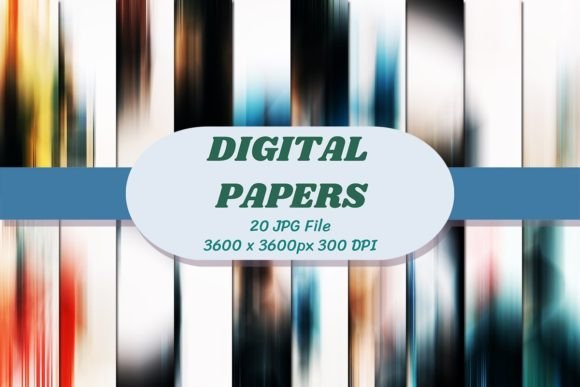
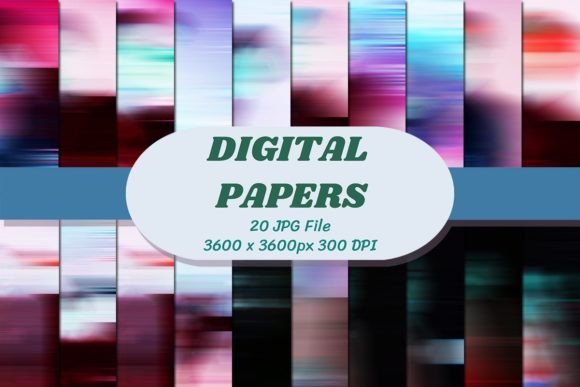
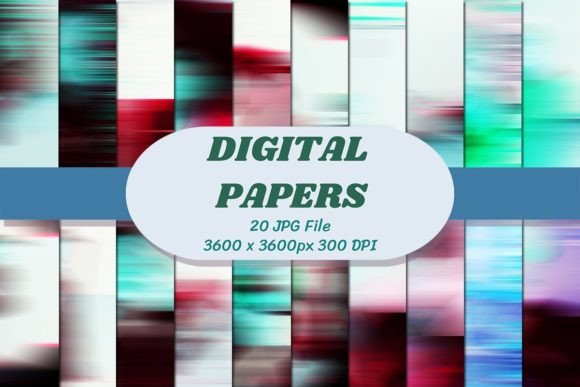
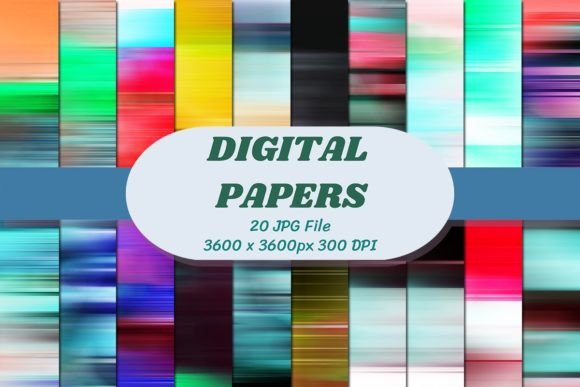
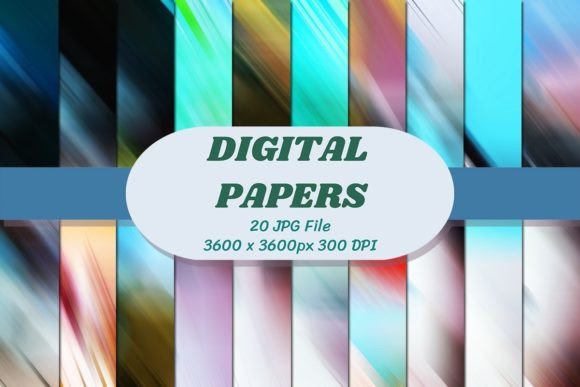
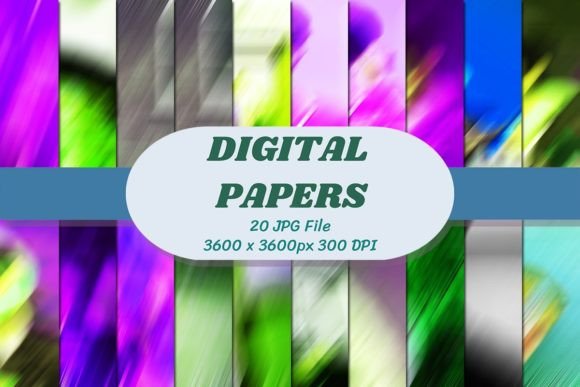
Before diving into applications, it is crucial to understand the technical specifications of the asset. Abstract 137 Background Digital Papers is not a single image but a curated collection. Specifically, the package includes 20 distinct JPG files. Each file is sized at 3600x3600 pixels, which translates to a perfect square format ideal for various modern design needs.
The term "high-resolution" is often thrown around loosely in digital marketplaces, but in this context, it means something specific. At 3600 pixels on each side, these images provide ample pixel density for most standard printing requirements. For instance, if you plan to print a 10-inch by 10-inch sticker, the pixel-per-inch (PPI) count will be well above the industry standard of 300 PPI, ensuring crisp edges and smooth gradients without visible pixelation.
These designs are categorized as abstract, meaning they lack representational imagery like photos of people or objects. Instead, they rely on color, texture, shape, and form. This abstraction makes them incredibly flexible. They can serve as subtle textures behind text, bold backdrops for logos, or standalone art pieces depending on how you layer them.
Common Mistakes When Using Digital Backgrounds
Even with high-quality assets like Abstract 137, errors in execution can ruin a project. Here are the most frequent mistakes creators make and how to correct them.
Ignoring Color Profiles and Display Differences
One of the biggest shocks for new entrepreneurs is seeing their vibrant digital design look dull when printed. Digital screens use RGB (Red, Green, Blue) light to create colors, while printers use CMYK (Cyan, Magenta, Yellow, Key/Black) ink. The range of colors your monitor can display is wider than what ink can reproduce.
The Fix: If you are sending these designs to a professional printer, always ask about their preferred color profile. While Abstract 137 files are likely provided in RGB for screen viewing, converting them to CMYK before final export can help you preview how the colors will translate. Adjusting saturation slightly higher in the digital file can often compensate for the muted nature of ink.
Assuming All Print Methods Are Equal
Abstract 137 Background Digital Papers is marketed for a wide array of uses, including sublimation, direct-to-garment (DTG), and standard paper printing. However, not all substrates absorb ink the same way. A background that looks stunning on a white ceramic mug might bleed or appear washed out on a dark-colored t-shirt unless proper pretreatment or underbase layers are used.
The Fix: Always run a test print on a scrap piece of material before committing to a full batch. For sublimation on tumblers or mugs, ensure your wrap design accounts for the curvature and seam of the object. The 3600x3600 resolution is excellent, but if you stretch it incorrectly across a cylindrical surface, the pattern may distort.
Overlooking File Organization
Receiving 20 high-resolution JPG files can quickly clutter your workspace. Many creators save them directly to their desktop without renaming them, leading to confusion later when they try to find a specific texture for a wedding invitation versus a phone case.
The Fix: Create a dedicated folder structure immediately upon download. Label files clearly, perhaps by color tone or complexity (e.g., "Abstract_137_Dark_Blue.jpg"). This simple step saves hours of searching time during busy production periods.
Strategic Applications for Maximum ROI
To get the most value out of Abstract 137 Background Digital Papers, consider how these assets can serve multiple revenue streams. Versatility is the key to profitability in the digital product space.
- Merchandise Line Expansion: Use the abstract patterns as base layers for t-shirts and hoodies. By adding minimal typography or a simple logo overlay, you transform a generic background into a branded product. The high resolution ensures that even large-format prints remain sharp.
- Digital Product Bundles: If you sell digital planners or social media templates, these backgrounds can serve as cohesive themes. Pairing Abstract 137 with matching fonts creates a professional brand identity that appeals to bloggers and educators.
- Custom Packaging: For small business owners selling physical goods, custom packaging adds perceived value. These papers can be used to design tissue paper, stickers, or box liners. The 3600x3600 size allows for seamless repeating patterns if tiled correctly.
- Social Media Content: Marketers need fresh visuals constantly. Use these backgrounds for Instagram stories, Pinterest pins, or YouTube thumbnails. They provide a clean canvas that makes text pop, improving click-through rates without requiring complex graphic design skills.
What to Check Before You Buy or Download
While Abstract 137 Background Digital Papers appears to be a robust asset, due diligence is always recommended. Before integrating these files into your commercial projects, verify the following:
- Licensing Terms: Read the license agreement carefully. Does it allow for commercial use? Can you resell the backgrounds as part of a larger design, or are they restricted to end-product sales only? Most high-quality digital papers allow for commercial use in finished goods, but some restrict resale of the raw files themselves.
- File Format Compatibility: Ensure your design software (such as Adobe Photoshop, Illustrator, or Canva) handles high-resolution JPGs efficiently. Large files can slow down older computers. Consider downsizing copies for quick mockups while keeping the original high-res files for final exports.
- Print Vendor Requirements: Different printers have different DPI (Dots Per Inch) requirements. While 3600x3600 is generally safe, check with your specific vendor if they require vector formats (like AI or EPS) for certain large-format prints. Although JPGs are raster images, they are sufficient for most textile and paper applications.
Conclusion
Abstract 137 Background Digital Papers represents a solid investment for anyone looking to enhance their visual output. With 20 high-resolution, 3600x3600 pixel JPG files, it offers the flexibility needed for diverse projects ranging from sublimated tumblers to elegant wedding invitations. The key to success lies not just in owning the files, but in understanding how to handle them. By respecting color profiles, testing print methods, and organizing your workflow, you can avoid common pitfalls and produce professional-grade results that satisfy both you and your customers.
Remember, quality in design is consistent. Using reliable, high-resolution assets like Abstract 137 helps maintain that consistency across all your branding touchpoints. Take the time to explore the textures, experiment with overlays, and let these backgrounds become a foundational element of your creative process.