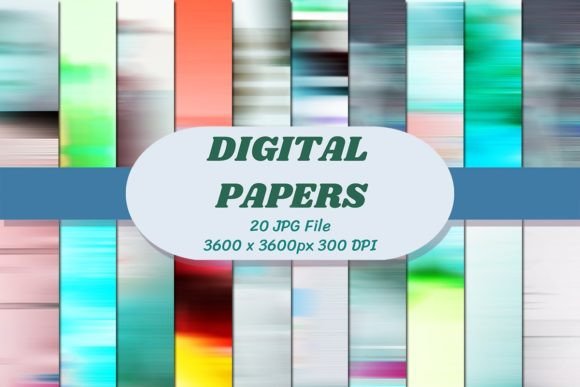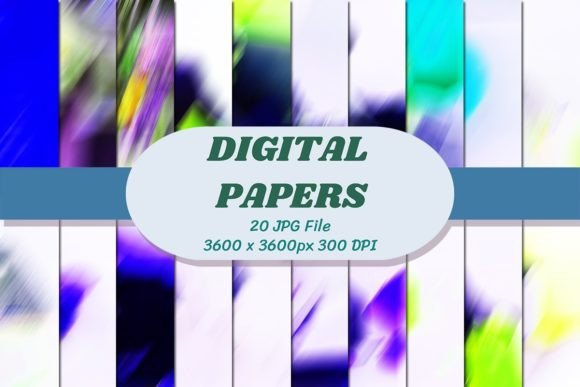
Unlocking Creative Potential with Abstract 139 Background Digital Papers
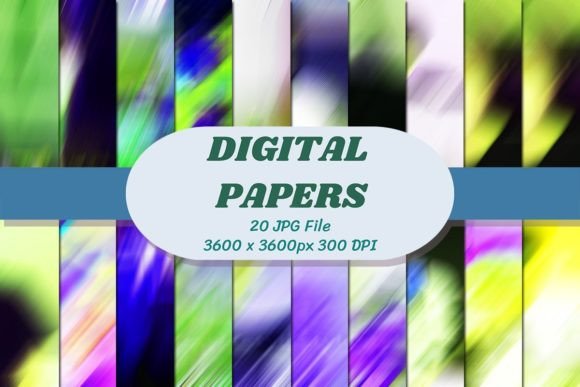
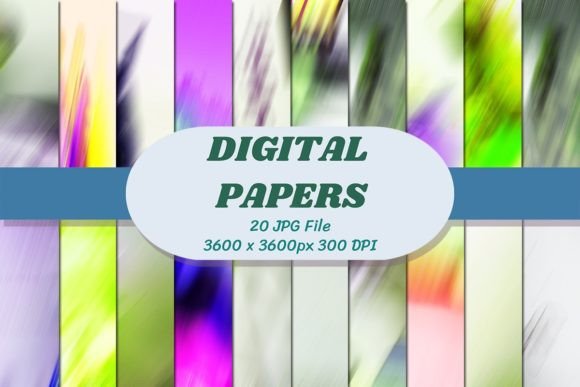
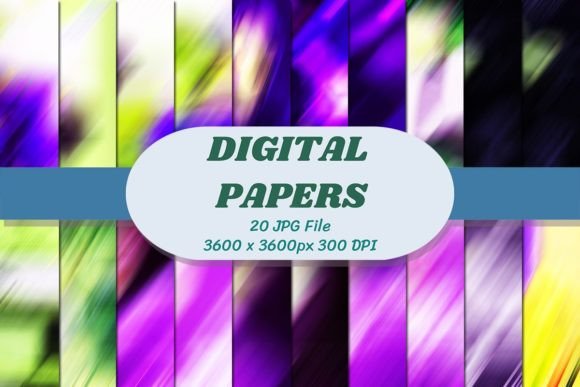
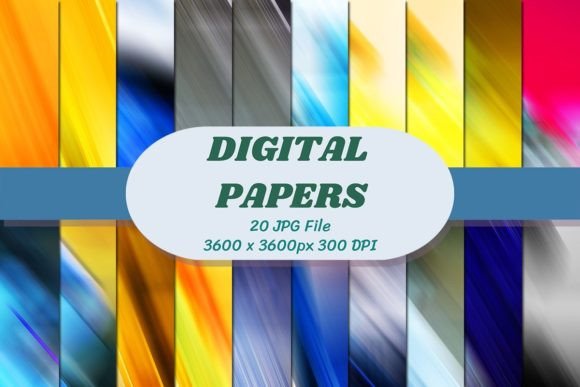
In the rapidly evolving landscape of digital design and print-on-demand commerce, the foundation of any compelling visual project is often overlooked: the background. While foreground elements like logos, typography, and primary imagery capture immediate attention, it is the texture and depth provided by high-quality backgrounds that establish mood, professionalism, and brand cohesion. Among the myriad resources available to creators, Abstract 139 Background Digital Papers have emerged as a versatile tool for professionals and hobbyists alike. This collection represents more than just decorative images; it serves as a structural element in graphic design, offering a bridge between static aesthetics and dynamic application.
The versatility of this specific asset pack lies in its resolution and format. Comprising twenty distinct JPG files at a substantial size of 3600x3600 pixels, these backgrounds are engineered for high-resolution output. This specification ensures that whether you are designing a tiny business card or wrapping a large-format tumbler, the integrity of the image remains uncompromised. For businesses looking to scale their product offerings without sacrificing quality, understanding the technical and creative implications of such assets is crucial.
The Technical Foundation: Resolution and Format
Before diving into applications, it is essential to understand why the specifications of Abstract 139 Background Digital Papers matter. In the world of digital printing, pixel density determines clarity. A resolution of 3600x3600 pixels provides ample data for printers to produce sharp, crisp results even when scaled down or cropped. This is particularly important for sublimation printing, where the ink bonds directly with synthetic fabrics or coated surfaces. If the source file lacks sufficient detail, the final product may appear blurry or pixelated, undermining the perceived value of the item.
The choice of JPG format further enhances accessibility. Unlike PSD or AI files which require specific software and technical knowledge to edit, JPGs are universally compatible. They can be opened in basic image viewers, imported into Canva, dragged into Photoshop, or used directly in online design tools. This ease of use lowers the barrier to entry for non-designers while still providing enough flexibility for professional graphic designers to manipulate color balance, overlay textures, or blend modes.
Diverse Applications Across Industries
The utility of abstract backgrounds extends far beyond simple desktop wallpapers. The nature of "abstract" design allows these papers to adapt to various contexts, from corporate branding to personal crafts. Below are several key areas where these digital papers demonstrate significant value.
Print-on-Demand and Merchandise
For entrepreneurs in the print-on-demand space, speed and variety are currency. Products such as t-shirts, mugs, phone cases, and pillows rely heavily on visual appeal. Abstract 139 Background Digital Papers provide a ready-made aesthetic that can serve as the base layer for complex designs. For instance, a designer might take one of the 3D sublimation tumbler wraps and combine it with vector text to create a motivational quote mug. The abstract nature of the background ensures that the text remains legible while adding a layer of sophistication that plain colors cannot achieve.
Similarly, for fabric-based products like blankets and pillows, the seamless or repeating qualities often found in abstract patterns allow for continuous printing without awkward seams. This is critical for maintaining a premium look in home decor items.
Branding and Corporate Identity
Business owners often struggle to convey their brand’s personality through static logos alone. Incorporating abstract textures into business cards, letterheads, and product packaging can add depth and tactile allure to a brand identity. When printed on textured paper stock, an abstract background can mimic the feel of stone, silk, or metallic surfaces, elevating the unboxing experience for customers.
Social media managers also benefit significantly from this resource. Creating eye-catching posts requires consistent visual themes. Using a subset of Abstract 139 Background Digital Papers allows a brand to maintain a cohesive color palette across Instagram, Facebook, and LinkedIn profiles, reinforcing brand recognition over time.
Crafts and Personal Projects
Hobbyists and crafters find endless possibilities in printable designs. Scrapbooking enthusiasts can use these high-resolution images as page backgrounds, layering them with photos and journaling elements. The 3600x3600 pixel size ensures that even when printed on standard 8.5x11 inch paper, the image retains fine details that enhance the artistic quality of the scrapbook pages.
Invitation designers can leverage these abstract papers for weddings, birthdays, and formal events. By pairing elegant typography with a sophisticated abstract backdrop, designers can create invitations that stand out in a mailbox. The same applies to event banners and signage, where large-scale printing demands high-quality source files to avoid pixelation.
Strategic Advantages for Creators
Using pre-designed digital papers offers several strategic advantages over creating every background from scratch. First and foremost is efficiency. Time spent generating textures from scratch is time taken away from core design tasks. By utilizing a curated set like Abstract 139, designers can focus on composition, typography, and client communication.
Another advantage is consistency. For agencies managing multiple clients or projects, having access to a library of high-quality, harmonious backgrounds ensures that all deliverables meet a certain aesthetic standard. It reduces the risk of producing low-quality assets that could damage a reputation.
Furthermore, these digital assets support scalability. A small business owner starting with digital downloads can later transition to physical products using the same files. The workflow remains consistent, allowing for a smoother expansion of business operations. Whether selling digital planners, physical stickers, or custom apparel, the underlying asset remains robust and adaptable.
Implementation Best Practices
To get the most out of Abstract 139 Background Digital Papers, creators should follow certain best practices during the implementation phase. One common mistake is neglecting contrast. Abstract backgrounds can sometimes be visually busy. When placing text or logos over these images, ensure there is sufficient contrast. Using semi-transparent overlays, drop shadows, or solid color blocks behind text can improve readability.
Color correction is another consideration. Since different devices display colors differently, always proof your designs in soft proof mode before sending them to print. Adjusting saturation and brightness to match the intended medium—whether it’s screen display or CMYK printing—ensures the final product matches your vision.
File management is also key. With twenty high-resolution JPGs, organizing files by theme, color, or complexity can streamline future projects. Tagging files with relevant keywords in your design software helps in quickly locating the right background when working under tight deadlines.
Future Trends in Digital Texture Design
The demand for abstract backgrounds is growing alongside the rise of remote work and digital content creation. As more individuals seek to personalize their digital spaces, from virtual meeting backgrounds to customized digital planners, the need for high-quality, unique textures increases. Abstract 139 Background Digital Papers align with this trend by offering modern, clean aesthetics that fit well in both professional and casual settings.
Moreover, the integration of 3D elements into flat designs is becoming more prevalent. The mention of "3d sublimation tumbler wrap" and "3d mug wrap" in the product description hints at the potential for these 2D images to be mapped onto 3D models. This capability opens up new avenues for product visualization, allowing businesses to showcase how their designs will look on actual products before manufacturing begins.
Conclusion
In summary, Abstract 139 Background Digital Papers represent a valuable resource for anyone involved in visual communication. Their high resolution, universal format, and abstract nature make them suitable for a wide range of applications, from commercial printing to personal crafts. By leveraging these assets, creators can save time, maintain quality, and enhance the visual impact of their projects. Whether you are a seasoned graphic designer, a small business owner, or a hobbyist crafter, incorporating these backgrounds into your workflow can elevate your work and help you stand out in a crowded digital marketplace.
As the lines between digital and physical design continue to blur, the ability to seamlessly transition between mediums becomes a critical skill. High-quality digital papers serve as the connective tissue in this process, ensuring that creativity is not limited by technical constraints. Embracing tools like Abstract 139 allows users to focus on what truly matters: telling a compelling visual story.