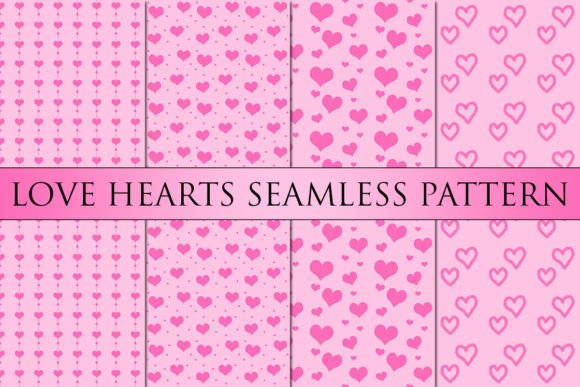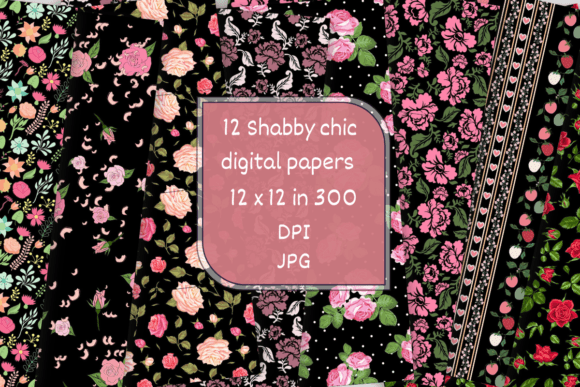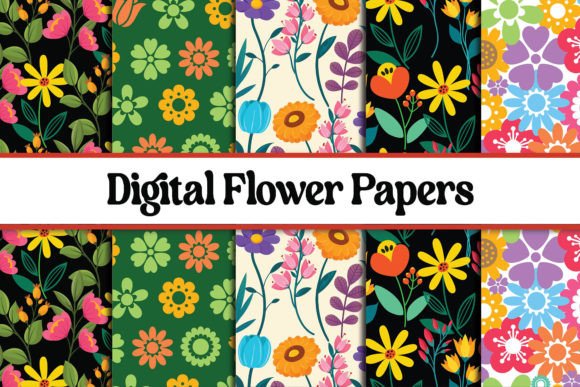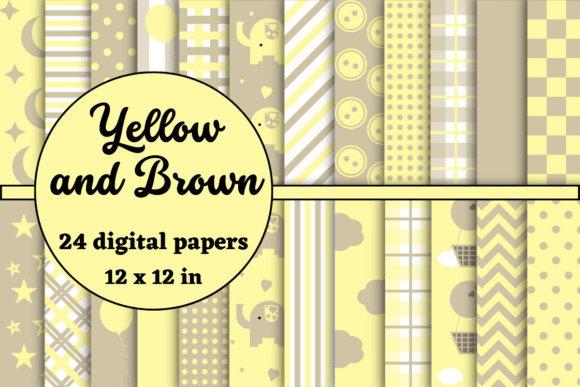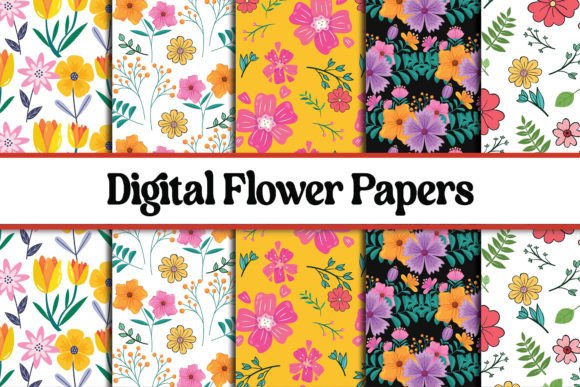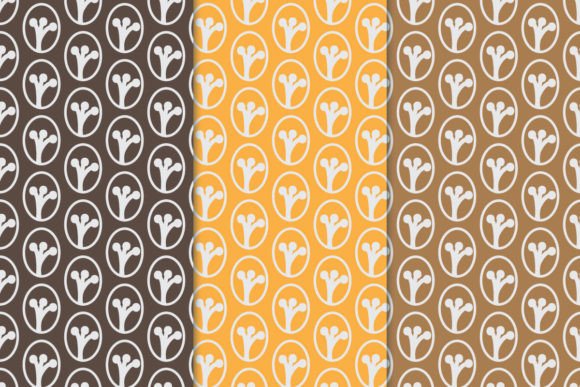
Seamless Pattern Design: Versatile Vector Assets for Print and Digital
At its core, a seamless pattern design is a repeating visual motif that tiles perfectly in all directions without visible breaks or seams. Unlike standard graphics that have a fixed boundary, these patterns are engineered to extend infinitely, creating a continuous background or texture. This technical precision makes them incredibly versatile tools for creators across various industries. When you acquire high-quality vector files—specifically in formats like JPG, EPS, and Ai—you gain access to scalable assets that maintain their crispness at any size, from a tiny favicon to a large-scale textile print.
The value of these designs lies not just in their aesthetic appeal but in their functional adaptability. Whether you are designing business cards, creating intricate coloring pages, or developing full collections for T-shirts, the underlying structure of a seamless pattern allows for efficiency and consistency. For professionals, this means less time spent on manual repetition and more time focused on creative direction. For hobbyists, it offers a way to produce professional-looking results with minimal technical friction.
Why Different Audiences Prioritize Pattern Design
Not every user approaches pattern design with the same goals. Understanding how different groups interact with these assets helps clarify why specific file formats and design qualities matter.
For Small Business Owners and Entrepreneurs
For those running small businesses, particularly in e-commerce or branding, the primary concern is often commercial value and flexibility. A single high-quality seamless pattern can be applied to multiple product lines. Imagine a boutique selling stationery; one elegant floral vector pattern can be used on greeting cards, invitations, and website backgrounds simultaneously. The ability to switch between EPS (for professional editing) and JPG (for quick web preview) ensures that the workflow remains smooth regardless of the platform.
These entrepreneurs also prioritize reliability. They need assets that will not pixelate when scaled up for large format prints, such as banners or packaging. Vector-based patterns guarantee sharp edges and clean curves, preserving brand integrity across all touchpoints.
For Educators and Content Creators
Educators and bloggers often look for engagement and ease of use. Seamless patterns serve as excellent visual anchors in digital content. A teacher might use a playful geometric pattern to create engaging worksheets or coloring pages for students. Because the pattern repeats seamlessly, they can generate as much paper as needed by simply resizing the document, ensuring uniformity across all printed materials.
Bloggers and marketers may use these patterns to break up text-heavy pages or to create unique header images. The key here is speed and presentation. Having pre-made, high-resolution JPGs allows for rapid deployment in content management systems, while the availability of editable AI files provides room for customization if a specific color palette is required to match a brand’s theme.
For Hobbyists and Crafters
Hobbyists, including those involved in crafting, decal making, or sticker production, value creativity and cost-effectiveness. They might purchase a pattern pack to create personalized gifts, such as custom stickers or decorated journals. The inclusion of Ai and EPS files is crucial here because it allows users to manipulate the design within software like Adobe Illustrator or free alternatives that support vector editing. This control enables hobbyists to adjust colors, scale elements, or combine different motifs to create something truly unique.
Furthermore, the tactile nature of crafts benefits from the precision of vector files. When cutting vinyl decals or printing on specialized paper, clean lines prevent jagged edges, resulting in a polished final product that feels handmade yet professionally executed.
Evaluating Quality and File Formats
When selecting a seamless pattern, the file format dictates how you can use it. Each format serves a distinct purpose in the design workflow.
- JPG: Ideal for quick previews, web usage, and simple applications where editing is not required. It is universally compatible but lacks scalability beyond its original resolution.
- EPS: A robust vector format widely supported by various design programs. It is perfect for printing workflows and allows for easy modification of shapes and colors without quality loss.
- Ai: The native format for Adobe Illustrator. This offers the highest level of editability, allowing designers to unlock layers, change individual elements, and experiment freely. It is the best choice for professionals who need maximum control over the final output.
Understanding these distinctions helps users choose the right asset for their specific project. A marketer preparing a social media post might only need the JPG, while a textile designer preparing files for a manufacturer will require the EPS or Ai file to ensure precise color matching and scaling.
Practical Applications Across Industries
The versatility of seamless patterns extends far beyond simple decoration. Here are some practical examples of how these designs are utilized in real-world scenarios.
Textile and Fashion Design
In the fashion industry, seamless patterns are foundational. Designers use them to create fabric prints for T-shirts, dresses, and accessories. The infinite tiling capability ensures that the pattern flows naturally across the curves and folds of clothing. High-quality vectors allow for accurate reproduction of colors and details, which is critical for maintaining brand standards in mass production.
Stationery and Paper Goods
From wedding invitations to corporate business cards, paper goods benefit greatly from subtle or bold patterns. A well-designed pattern adds depth and personality to otherwise plain stock. For instance, a business card with a textured vector background can convey sophistication and attention to detail. Similarly, coloring pages rely on clear, repeatable line art that engages users and provides a satisfying creative experience.
Digital Interfaces and Web Design
In digital spaces, seamless patterns are used to create immersive backgrounds for websites and apps. They add visual interest without overwhelming the content. Because vector patterns are lightweight and scalable, they contribute to faster load times and better performance on mobile devices. This technical advantage is increasingly important for user experience (UX) design.
Matching Patterns to Your Goals
To determine if a specific seamless pattern fits your needs, consider your skill level and project requirements. Beginners should look for patterns that come with clear instructions and are easy to customize using basic design tools. Those seeking learning value might prefer editable AI files that allow them to deconstruct the design and understand its composition.
Experienced users and professionals may prioritize advanced features, such as complex layer structures or specific color mode compatibility (CMYK for print vs. RGB for screen). For long-term usefulness, investing in high-quality, versatile patterns that can be adapted for multiple projects offers greater return on investment than purchasing niche-specific designs.
Ultimately, the decision comes down to alignment with your creative vision and practical constraints. By understanding the strengths of different file formats and the diverse applications of seamless patterns, you can make informed choices that enhance your projects, whether they are personal crafts or commercial products. The right asset empowers you to work efficiently, express your creativity fully, and deliver results that resonate with your audience.