My 2nd Birthday: A Comprehensive Guide to Cutting File Formats and Application Versatility
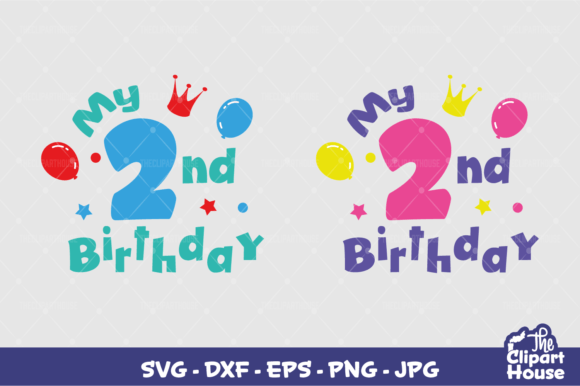
Planning a milestone celebration often involves more than just booking a venue or ordering a cake; it requires a cohesive visual theme that ties every element of the event together. For parents and crafters, creating custom party supplies is a popular way to add a personal touch while managing budget constraints. Among the most sought-after themes for this age group is "My 2nd Birthday," a design concept that has gained significant traction in the digital crafting community. This article explores the technical specifications, compatibility, and practical applications of downloadable cutting files designed for this specific occasion, helping creators make informed decisions about their project resources.
Understanding the Digital Asset Ecosystem
When evaluating digital products for crafting, it is essential to understand what constitutes a complete package. The "My 2nd Birthday" collection typically offers a multi-format approach, recognizing that different users have varying hardware capabilities and software preferences. Unlike single-file downloads that limit usage to one specific machine type, comprehensive bundles provide versatility across platforms such as Cricut, Silhouette, and other compatible cutting machines. This inclusivity ensures that whether a user relies on proprietary software or open-source alternatives like Inkscape or LightBurn, they can effectively utilize the design.
The core value of these digital assets lies in their scalability and precision. Vector-based formats allow designs to be resized without loss of quality, which is critical when applying graphics to items ranging from tiny jewelry tags to large banner boards. By providing multiple file types, the product accommodates various workflows, ensuring that the creative process remains smooth regardless of the tools at hand.
Decoding the File Formats: SVG, PNG, JPEG, EPS, and DXF
A standard download for this theme includes a robust set of files, each serving a distinct purpose in the production pipeline. Understanding the strengths and limitations of each format is crucial for selecting the right tool for the job.
Vector Files: SVG, EPS, and DXF
The SVG (Scalable Vector Graphics) file is the industry standard for modern cutting machines like Cricut Design Space and Silhouette Studio. It contains path data that allows the machine to cut intricate shapes with precision. SVGs are particularly useful because they can often be edited directly within the software, allowing users to adjust text size, rearrange elements, or change colors before sending them to the cutter.
The EPS (Encapsulated PostScript) file serves as a bridge between professional graphic design software and cutting machines. While some entry-level cutting software may not read EPS files natively, they are invaluable for users who edit their designs in Adobe Illustrator or CorelDRAW before exporting to a cutting-compatible format. This format preserves complex paths and layers, making it ideal for detailed illustrations that might otherwise lose fidelity during conversion.
The DXF (Drawing Exchange Format) is another vector standard, widely supported by older versions of Silhouette Studio and various laser engraving software. If a user encounters compatibility issues with SVGs on certain legacy systems, the DXF file provides a reliable fallback. It ensures that the geometric integrity of the "My 2nd Birthday" design remains intact, allowing for clean cuts even on basic machinery.
Raster Files: PNG and JPEG
While vector files are king for cutting, raster images are essential for printing. The included PNG (Portable Network Graphics) files typically feature transparent backgrounds, which is a critical technical advantage. When placing a graphic over a colored background—such as a dark blue invitation card or a patterned fabric shirt—a transparent background ensures that no white box surrounds the image. This makes PNGs perfect for heat transfer printing (HTV) where layering colors is required, or for digital invitations where the design needs to blend seamlessly with the layout.
The JPEG (Joint Photographic Experts Group) files offer high-resolution bitmap images suitable for direct printing. Unlike vectors, JPEGs are pixel-based, meaning they do not scale well beyond their original resolution. However, for standard print sizes like business cards, stickers, or party favor tags, the resolution provided in these downloads is usually sufficient to produce crisp, professional-looking results. They are also ideal for quick mockups or social media graphics related to the birthday event.
Application Scenarios and Material Compatibility
The versatility of the "My 2nd Birthday" design extends beyond simple paper crafts. Its multi-format nature allows for application across a wide spectrum of materials and end-products. Evaluating these use cases helps determine if this specific bundle aligns with your crafting goals.
Apparel and Textiles
One of the most common uses for these files is creating custom clothing for the birthday child and guests. Using the SVG or PNG files in conjunction with Heat Transfer Vinyl (HTV), creators can produce durable t-shirts, onesies, and hoodies. The precision of the vector files ensures that small details, such as confetti patterns or numerical "2"s, cut cleanly without fraying. For those using sublimation printers, the high-resolution PNG files allow for full-color prints on polyester fabrics, offering a different aesthetic than vinyl.
Stationery and Invitations
Physical invitations remain a tangible keepsake for many families. The JPEG and PNG files can be used in desktop publishing software to create elegant letterpress-style invites or playful, colorful announcements. Furthermore, the SVG files can be used to cut out decorative borders, tags, or die-cut shapes that accompany the printed invitation, adding a three-dimensional element to the stationery suite. This layering technique elevates the perceived value of the party supplies.
Decorations and Party Favors
From cupcake toppers to banner flags, the design can be scaled up or down to fit various decorative needs. Cardstock, glitter paper, and metallic foil sheets work well with the cutting files. Additionally, the files can be adapted for use with laser cutters on wood or acrylic, creating premium favors such as wooden blocks or clear acrylic ornaments. The inclusion of both cutting and printing files means that creators can mix methods—for example, printing a detailed background on cardstock and then cutting out a vinyl overlay for contrast.
Small Business and Merchandise
For entrepreneurs selling handmade goods, the "My 2nd Birthday" theme represents a seasonal opportunity. The terms of use typically allow for limited commercial use, permitting the sale of physical items created with the design. This is applicable to jewelry (using the files to cut stencils or shape metal), sticker packs, and digital planners. However, it is vital to distinguish between selling the *product* made from the file versus selling the *file* itself. Reselling the original digital assets is strictly prohibited under standard licensing agreements, protecting the intellectual property of the designer.
Evaluating Tradeoffs and Decision Factors
When choosing between a multi-format bundle like this and simpler, single-file options, several factors come into play. The primary advantage of the comprehensive package is flexibility. Users do not need to purchase separate assets for cutting versus printing, nor do they need to worry about converting formats manually, which can sometimes introduce errors or degrade quality.
However, there are tradeoffs. A larger file size may require more storage space and faster internet speeds for downloading. Additionally, having access to multiple formats does not guarantee proficiency in all associated software. Users must ensure they have the necessary tools to open and manipulate SVGs, EPS, and DXF files. For beginners who only use Cricut Design Space, the EPS and DXF files may remain unused, though they still provide peace of mind for future projects or collaboration with more advanced designers.
Another consideration is the level of customization desired. While the provided files are ready-to-use, some users may wish to modify the typography or add personal names. The vector formats (SVG, EPS, DXF) support this level of editing, whereas the raster formats (PNG, JPEG) do not. Therefore, if personalization is a key requirement, reliance on the vector files becomes mandatory.
Conclusion: Is This Bundle Right for You?
The "My 2nd Birthday" digital collection stands out due to its technical completeness and broad applicability. It caters to a wide range of users, from casual parents looking to make simple decorations to serious crafters building a small business inventory. The inclusion of both cutting and printing formats mitigates the risk of incompatibility, ensuring that the design can be realized on virtually any medium.
For those who prioritize efficiency and versatility, this bundle offers significant value. It eliminates the need to hunt for additional resources to cover different aspects of party planning. Conversely, if a user only intends to print static images on paper and has no interest in cutting or vinyl applications, a simpler, lower-cost option might suffice. Ultimately, the decision rests on the scope of the project and the tools available. By understanding the distinct roles of SVG, PNG, JPEG, EPS, and DXF files, creators can leverage the "My 2nd Birthday" design to produce high-quality, memorable results that align with their specific vision and resource constraints.