Digital Colorful Flower Papers Patterns: A Practical Guide to Integration and Workflow
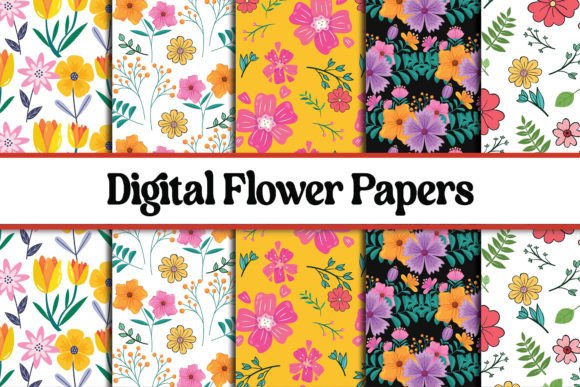
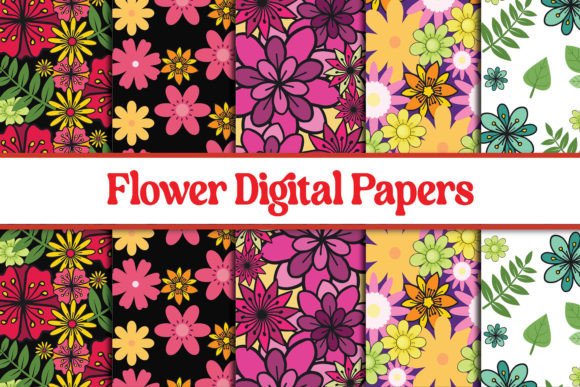
In the modern digital creative economy, the distinction between a concept and a finished product often lies in the quality of the underlying assets. For professionals ranging from freelance graphic designers and small business owners to educators and hobbyist scrapbookers, efficiency is not just about speed; it is about consistency, resolution, and seamless integration into existing workflows. This is where specialized assets like the Digital Colorful Flower Papers Patterns collection become indispensable tools rather than mere decorative add-ons. These patterns are designed to serve as foundational textures that elevate visual communication across a wide spectrum of mediums, from high-stakes business presentations to intimate personal craft projects.
Understanding how to leverage this bundle requires looking beyond the aesthetic appeal of the five distinct flower designs. It involves recognizing how these files fit into the broader lifecycle of a project. Whether you are preparing a brand identity, designing educational materials, or executing a large-scale print run, the technical specifications and versatility of this collection offer significant advantages in terms of preparation, execution, and final output quality.
Technical Specifications and Compatibility in Professional Workflows
The foundation of any successful digital asset integration is compatibility. The Digital Colorful Flower Papers Patterns bundle addresses this by providing files in five editable formats. This variety is crucial for users operating within different software ecosystems. A web designer might need vector-based scalability for responsive layouts, while a print specialist requires raster perfection at high resolutions. By offering multiple formats, the collection eliminates the friction of file conversion, allowing creators to jump straight into the design phase without worrying about format incompatibility.
Furthermore, the inclusion of print-ready files ensures that the transition from screen to physical media is seamless. In professional settings, the gap between digital mockups and final prints can often lead to costly errors. With these patterns set at 300dpi and sized at 12 x 12 inches (3600 x 3600 pixels), the resolution is sufficient for high-quality commercial printing. This specification meets industry standards for brochures, business cards, and packaging, ensuring that the vibrant colors and intricate details of the flower patterns remain sharp and clear even when scaled or printed on various substrates.
- Resolution Consistency: At 300dpi, the images maintain clarity for both web display and offset/digital printing, reducing the need for manual upscaling which can degrade image quality.
- Dimensional Flexibility: The 12x12 inch standard aligns with common scrapbooking and planner sizes, making it easy to integrate into pre-existing templates.
- Format Versatility: Five editable formats allow for adaptation across Adobe Creative Cloud, Affinity Suite, Canva, and other popular design platforms.
Application Across Diverse Creative and Business Domains
The utility of these patterns extends far beyond simple decoration. They function as structural elements in design, providing texture and depth that enhance user engagement. For marketers and entrepreneurs, incorporating the Digital Colorful Flower Papers Patterns into branding materials can create a cohesive visual language. Imagine using one of the rainbow flower seamless patterns as a subtle background texture on a letterhead or stationary. This adds a layer of sophistication and personality that plain white paper cannot achieve, reinforcing brand recall without overwhelming the primary content.
In the realm of digital product creation, these patterns are particularly valuable for those selling printable planners, stickers, or wall art. The seamless nature of the digital papers allows for infinite tiling, which is essential for creating backgrounds for websites, app interfaces, or digital wallpapers. For bloggers and content creators, using these patterns as featured images or section dividers can break up text-heavy pages, improving readability and visual interest. The ability to edit the files means that colors can be tweaked to match specific brand palettes, ensuring that the final output feels custom-made rather than generic.
For educators and parents involved in homeschooling or classroom activities, these patterns offer a quick way to produce engaging learning materials. Creating custom flashcards, worksheet borders, or certificate templates becomes a streamlined process. Instead of spending hours searching for compatible clipart, educators can use these ready-to-use patterns to add a professional touch to their teaching resources. Similarly, for hobbyists engaged in scrapbooking or cardmaking, the ease of access to high-quality, colorful flower designs reduces the barrier to entry for complex crafts, allowing for more experimentation and creativity.
Strategic Implementation and Quality Control
Integrating digital patterns into a workflow requires a strategic approach to organization and quality control. When downloading a bundle like this, the first step should be establishing a dedicated asset library. Organizing the five patterns by color scheme or complexity can save time during the selection process. For instance, if you are working on a spring-themed campaign, having immediate access to the relevant flower patterns allows for rapid prototyping and iteration.
Quality control is another critical factor. Before deploying these patterns in a client-facing project, it is advisable to test them in your intended medium. If the pattern is intended for fabric printing, check how the colors translate through the dye sublimation process. If it is for web graphics, verify how the file size impacts page load times. While the 300dpi resolution is excellent for print, it may result in larger file sizes for web use. In such cases, utilizing the editable formats to optimize the layers or reduce opacity can help balance visual impact with performance.
Moreover, consider the longevity of your assets. Digital trends change, but classic floral patterns have enduring appeal. By archiving these files in a well-documented repository, you create a reusable resource for future projects. This is particularly beneficial for small business owners who frequently update their marketing materials. Having a stock of high-quality, versatile patterns means you can quickly refresh your social media graphics, email newsletters, or promotional flyers without commissioning new artwork every time.
Enhancing User Experience Through Visual Hierarchy
Beyond aesthetics, the use of Digital Colorful Flower Papers Patterns contributes to the overall user experience (UX) of a design. In web design and app development, background textures can guide the eye and establish hierarchy. A subtle flower pattern can soften the look of a form or checkout page, making the interaction feel less transactional and more welcoming. In print design, these patterns can be used to highlight key information areas, such as call-out boxes or headers, drawing attention to important messages without distracting from the core content.
For event planners and party coordinators, these patterns offer a way to unify disparate elements of an event’s visual identity. From invitations and table cards to backdrop designs and favor tags, the consistent use of the rainbow flower themes creates a cohesive atmosphere. The vibrancy of the colors can set the tone for the event, whether it is a cheerful birthday celebration or an elegant garden party. The ability to edit the files allows for customization, ensuring that the patterns align perfectly with the chosen color palette and theme.
Conclusion on Practical Utility
The value of the Digital Colorful Flower Papers Patterns bundle lies in its adaptability and technical robustness. It is not just a collection of pretty images; it is a toolkit for enhancing visual communication across multiple disciplines. By understanding how these files interact with different software, print processes, and design principles, users can integrate them smoothly into their workflows. Whether you are a professional designer seeking to streamline your asset management, a small business owner aiming to improve brand consistency, or a hobbyist looking to add a professional finish to your crafts, this collection offers practical solutions for a wide range of creative challenges. Embracing these patterns as integral components of your design process can lead to more efficient production cycles and higher-quality final outcomes.