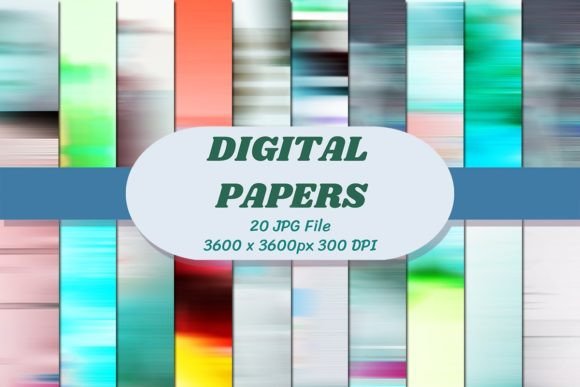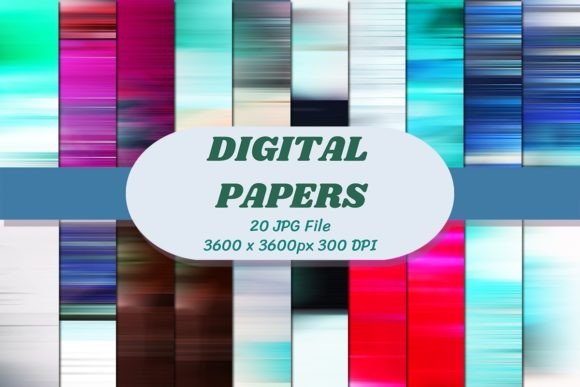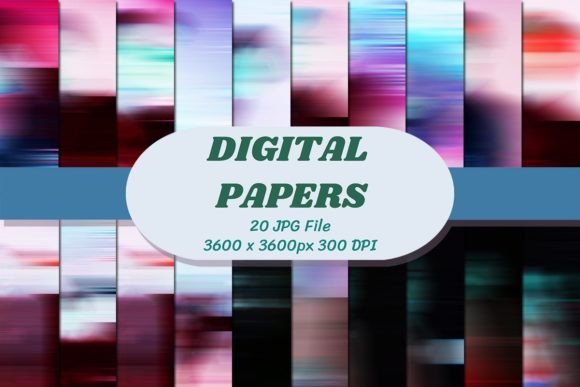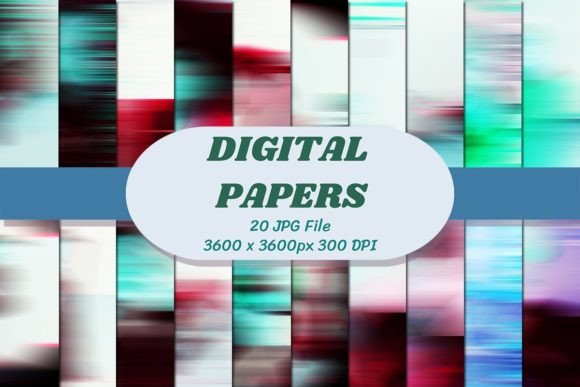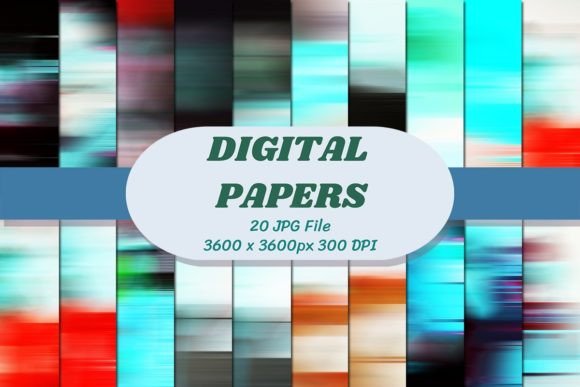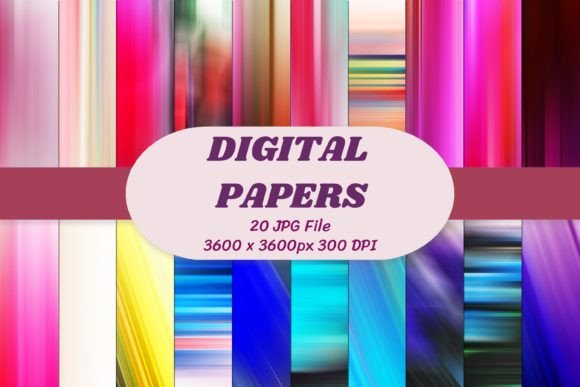
Abstract 4 Background Digital Papers
In the modern digital landscape, visual consistency is not merely an aesthetic choice; it is a strategic asset. For entrepreneurs, marketers, and creators, the ability to produce high-quality, cohesive visual materials across multiple touchpoints can significantly influence brand perception and customer trust. This is where specialized assets like Abstract 4 Background Digital Papers become invaluable tools in your operational toolkit. These are not just decorative images; they are foundational textures designed to support a wide array of commercial and creative applications.
Understanding the strategic value of these background papers requires looking beyond their immediate appearance. It involves recognizing how they fit into broader business goals, from product development to social media engagement. By integrating Abstract 4 Background Digital Papers into your workflow with intention, you can streamline production processes, enhance brand identity, and deliver a more polished experience to your audience. This article explores the practical applications, strategic considerations, and potential pitfalls of using these digital assets effectively.
The Strategic Role of Background Assets in Branding
Every brand tells a story through its visuals. Whether you are selling physical products or offering digital services, the background against which your logo, text, or product image sits plays a critical role in setting the tone. Abstract 4 Background Digital Papers offer a versatile solution for creating this backdrop. With a resolution of 3600x3600 pixels, these files provide the high-definition clarity necessary for both digital screens and large-format prints, ensuring that your brand looks professional at any scale.
For small business owners and freelancers, time is a scarce resource. Instead of spending hours designing unique backgrounds for every new project, utilizing pre-designed, high-quality abstract textures allows you to focus on strategy and content. This efficiency does not come at the cost of quality. The intricate details and color palettes inherent in abstract designs can add depth and sophistication to simple layouts, elevating the perceived value of your offerings without requiring advanced graphic design skills.
Consider the impact on customer experience. A cluttered or low-resolution background can distract from your core message or make a premium product appear cheap. Conversely, a well-chosen abstract texture can guide the viewer’s eye, create a sense of calm or energy depending on the mood, and reinforce brand recognition. When used consistently across platforms, these backgrounds become part of your visual vocabulary, helping customers instantly identify your content in a crowded feed.
Versatility Across Product Lines and Media
One of the most compelling advantages of Abstract 4 Background Digital Papers is their cross-platform versatility. In today’s omnichannel environment, businesses must maintain a consistent presence across diverse mediums. These digital papers are designed to bridge the gap between physical and digital realms, making them suitable for a vast array of use cases.
- Print-on-Demand Products: If you operate in the print-on-demand space, these backgrounds are essential for t-shirts, stickers, mugs, pillows, and blankets. The high resolution ensures that when the design is transferred via sublimation or direct-to-garment printing, the colors remain vibrant and the details sharp. For items like phone cases or book covers, the abstract nature allows the design to complement rather than compete with the primary artwork.
- Marketing Materials: For social media campaigns, blog headers, and email newsletters, these backgrounds provide a clean yet engaging canvas. They can be used as textures for invitations, business cards, and product packaging, adding a tactile feel to digital designs. The square format (3600x3600 px) is particularly useful for Instagram posts and stories, where square compositions perform exceptionally well.
- Craft and DIY Projects: Hobbyists and crafters can use these files for scrapbooking, card making, and home decor projects. The abstract patterns lend themselves well to wedding cards, 3D mug wraps, and tumbler wraps, where the continuity of the pattern around curves and edges is crucial.
- Digital Content Creation: Bloggers and publishers can use these textures as headers or section dividers. Educators can incorporate them into presentations and worksheets to make learning materials more visually appealing. The key is to treat these backgrounds as a layer of context, enhancing the readability and attractiveness of the foreground content.
Intentional Application: From Random Use to Strategic Design
To maximize the value of Abstract 4 Background Digital Papers, it is crucial to move away from random application and toward intentional design. This means aligning the choice of background with specific business objectives and target audience preferences. Not every abstract texture fits every brand voice. A tech startup might prefer cooler tones and geometric abstractions, while a wellness brand might opt for softer, organic flows.
When selecting a background from the set, consider the following strategic questions:
- What is the emotional goal? Does the background evoke trust, excitement, luxury, or creativity? Ensure the mood matches your campaign’s intent.
- How will the foreground interact with it? High-contrast elements work best against complex backgrounds, while subtle logos may require simpler textures. Test different combinations to ensure legibility and visual balance.
- Where will it live? A background that works beautifully on a website header might be too busy for a mobile notification banner. Adapt the scale and cropping of the 3600x3600 px file to fit the specific dimensions of each platform.
Furthermore, consistency is key to building brand equity. Once you have identified a few abstract textures that resonate with your brand, stick with them. Reusing the same or similar backgrounds across different projects creates a recognizable visual thread. Over time, customers will associate those specific patterns and colors with your business, reducing the cognitive load required to process your content and strengthening brand recall.
Technical Considerations and Quality Assurance
The technical specifications of Abstract 4 Background Digital Papers—specifically the inclusion of 20 JPG files at 3600x3600 pixels—offer significant flexibility. However, working with high-resolution files requires careful handling to avoid common pitfalls. First, always edit in a software that supports high DPI (dots per inch) settings to preserve the integrity of the image data. Downscaling for web use should be done carefully to prevent pixelation, while upscaling for print should be avoided unless using AI-enhanced upscaling tools, as it can introduce artifacts.
Color management is another critical factor. Abstract designs often rely on subtle gradients and nuanced color shifts. Ensure that your monitor is calibrated and that you understand the difference between RGB (for digital use) and CMYK (for print) color spaces. If you are producing physical products like mugs or t-shirts, converting the files to CMYK early in the process can help predict how the colors will translate to physical media, preventing unpleasant surprises in the final output.
Additionally, consider the file organization. With 20 distinct backgrounds, keeping track of which version was used for which project is essential for future reference. Create a structured naming convention and store the files in a cloud-based repository accessible to your team. This practice not only aids in personal productivity but also facilitates collaboration if you work with designers or virtual assistants.
Risks of Misapplication and How to Avoid Them
While powerful, these digital assets are not a substitute for clear communication. A common mistake is allowing the background to overpower the message. If the abstract pattern is too intricate or the contrast is too high, it can make text difficult to read, defeating the purpose of the design. Always prioritize readability and hierarchy. Use overlays, shadows, or solid blocks of color behind text if necessary to ensure your call-to-action or key information stands out.
Another risk is overuse. Using the same abstract background for every post or product listing can lead to visual fatigue among your audience. Variety within consistency is the goal. Rotate through the 20 available files, mixing and matching them with different foreground elements to keep your content fresh while maintaining a cohesive brand identity. Furthermore, be mindful of cultural contexts and trends. Abstract art is subjective, and what feels modern and sophisticated in one market may feel dated or inappropriate in another. Stay attuned to your audience’s feedback and be willing to adjust your visual strategy accordingly.
Long-Term Value and Scalability
Investing in high-quality digital assets like Abstract 4 Background Digital Papers is a long-term strategy for scalability. As your business grows, the demand for consistent, high-quality visual content will increase. Having a library of proven, versatile backgrounds allows you to scale your marketing efforts without proportionally increasing your design workload. You can quickly generate new variations by applying filters, adjusting brightness, or combining textures, giving you a competitive edge in speed and agility.
Moreover, these assets support innovation. By freeing up mental bandwidth from basic design tasks, you can focus on experimenting with new formats, such as video intros, animated graphics, or interactive web elements. The stability provided by reliable background assets allows for greater creative freedom in other areas of your brand expression.
In conclusion, Abstract 4 Background Digital Papers are more than just pretty pictures; they are functional tools that can enhance your brand’s professionalism, efficiency, and appeal. By approaching their use strategically, considering technical details, and avoiding common pitfalls, you can leverage these assets to achieve better results in your business communications and product offerings. The key lies in intentional application, consistent execution, and a continuous focus on the needs of your audience.